How do you translate a Russian diploma and transcript for WES or USCIS?
If WES asks you for a translation, it must be an exact, word-for-word English translation by a professional translator; whether you need one is shown in your WES account. USCIS asks for a full translation with the translator’s signed certificate. We translate Russian and Soviet diplomas, diploma supplements (the transcript with courses and grades) and school certificates. We charge by the page: $25 for the first page and $20 for each additional one. The translation is ready within 24 hours after payment.
What the translation includes
We translate word for word, as WES requires (wes.org (opens in a new tab)). The translation has:
- the diploma: the university, the qualification and major, the registration number and date, the seal and signatures;
- the supplement: every course with its hours and grade, internships, final state exams and the thesis;
- the series and number of each document;
- stamps and notes, such as an apostille.
WES wants the translation made from the official documents, not from student copies. Send us scans of the documents the university issued.
Grades and course titles
We translate grades exactly as they appear on the document. We don’t convert them to US grades or a GPA and don’t evaluate the degree: that’s the evaluator’s job.
WES needs to read every course title and grade, so every line of the supplement is in the translation. Handwritten Soviet diplomas and faded stamps are routine for us. If a word can’t be read, the translation marks it [illegible] instead of guessing.
Where the translation goes
- WES: a word-for-word translation by a professional translator. WES turns down translations that are handwritten, made from a photocopy, made by the applicant or incomplete. What WES and ECE accept
- ECE: a word-for-word translation in the same format as the original (ece.org (opens in a new tab)). If you add ECE’s paid Translation Waiver to your order, ECE translates the documents itself for its report.
- USCIS: a full translation and the translator’s signed certificate. What USCIS accepts
Which documents your evaluation needs is up to the evaluator. What to file with USCIS is for you or your attorney to decide.
Which education documents are usually translated for the DV lottery is covered in our DV lottery guide.
Sample translations
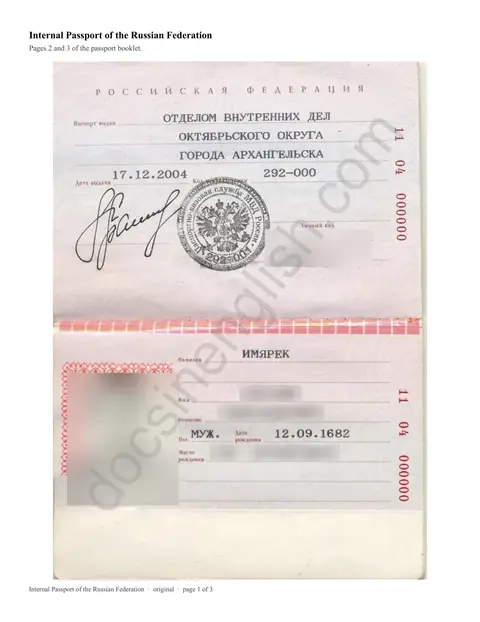
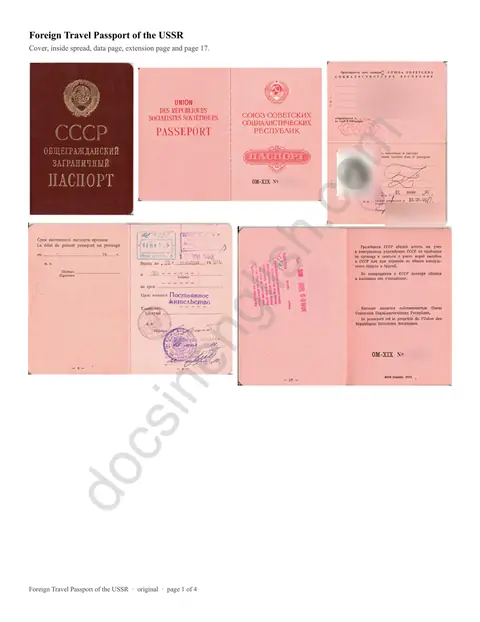
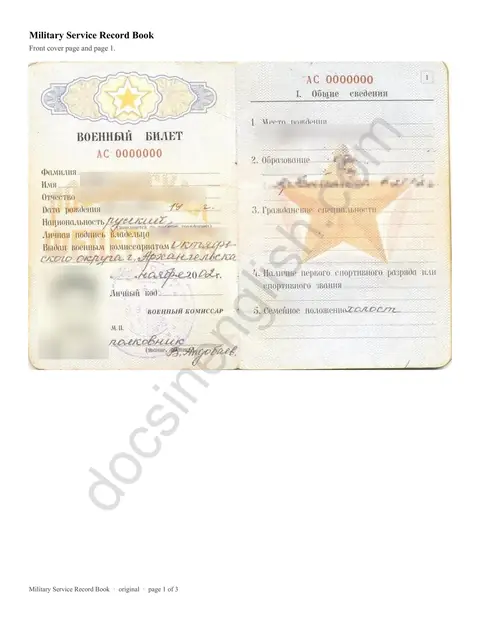
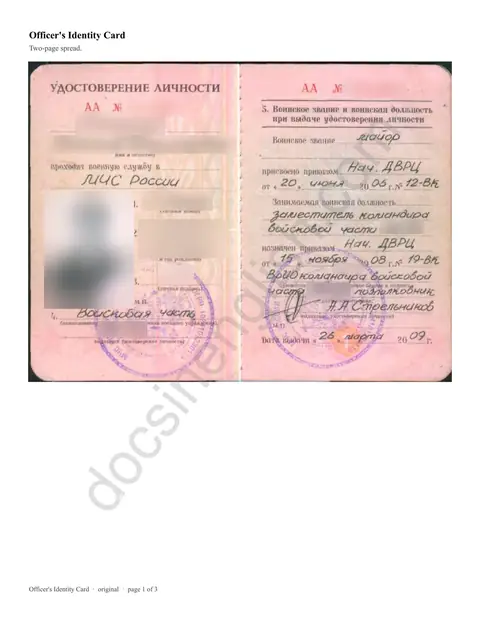
6 samplesEach sample has the original, the translation and the signed certificate. Personal details are blurred.
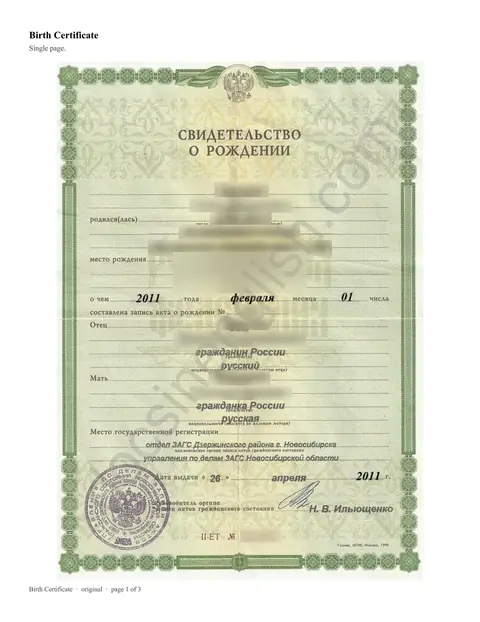
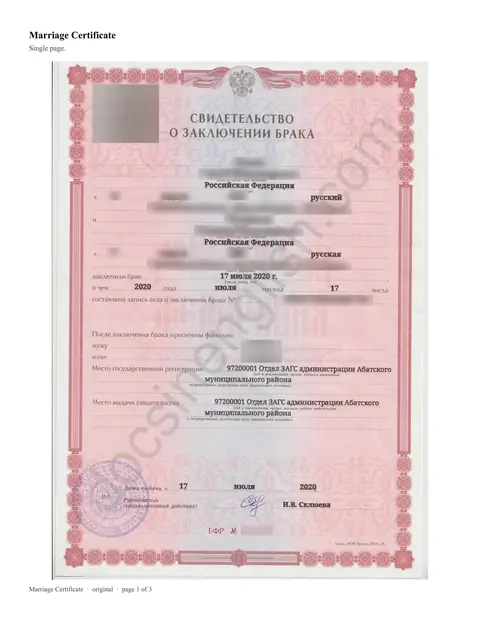
Questions
How much does it cost?
We charge by the page: $25 for the first page and $20 for each additional one. A diploma is usually one page; a supplement with courses and grades takes more. Send photos, and we’ll give you the exact price.
Will you convert my grades to a US GPA?
No. We translate grades exactly as they appear on the document. Converting grades and evaluating the degree is the evaluator’s job.
Can I translate my diploma myself?
For WES, no: it doesn’t accept translations made by the applicant. ECE accepts your own translation if it is word-for-word and in the same format as the original.
How long does it take?
1–4 documents: within 24 hours after payment; faster, within 12 hours (+$15 a page) or 3 hours (+$30 a page, paid between 8 am and 6 pm Pacific time). For 5 or more, we give you the date with the quote.
Will WES accept the translation?
No one can promise that an evaluator will accept a document. We follow its rules to the letter, and if the evaluator raises an issue with our translation, we fix it for free.
How we do it
- Full translation
every stamp, signature and handwritten line
- Signed certificate
with the translator’s name, address and phone
- A PDF, ready to file
original, translation and certificate, translation pages numbered
- Price
$25 for the first page up to 250 words, $20 for each additional page, in the same document or another one.
- Turnaround
1–4 documents: within 24 hours after payment; faster, within 12 hours (+$15 a page) or 3 hours (+$30 a page, paid between 8 am and 6 pm Pacific time). For 5 or more, we give you the date with the quote.
This is a summary of what the agency publishes, not legal advice.