What kind of translation does immigration court accept?
Immigration court accepts documents in English or with a certified English translation. The translator signs a typed certificate: they are competent to translate the language of the document, and the translation is true and accurate. The certificate includes the translator’s address and phone number.
What immigration court requires
Immigration courts are part of the Executive Office for Immigration Review (EOIR) at the Department of Justice. The EOIR Policy Manual, chapter 2.3(a) (opens in a new tab) says that every document filed with the court must be in English or come with a certified English translation. The federal rule 8 CFR 1003.33 (opens in a new tab) says the same: a foreign-language document must be accompanied by an English translation and a certification signed by the translator.
In the certification, the translator states that they are competent to translate the language of the document and that the translation is true and accurate to the best of their abilities. The manual also asks for the translator’s address and phone number. Neither the rule nor the manual requires a licensed or accredited translator, or a notary.
What the translation must include
- An English translation attached to the foreign-language document (Policy Manual 2.3(a) (opens in a new tab)).
- A certificate signed by the translator. The manual asks for it to be typed (Policy Manual 2.3(a) (opens in a new tab)).
- Two statements in the certificate: the translator is competent to translate the language of the document, and the translation is true and accurate to the best of their abilities (8 CFR 1003.33 (opens in a new tab)).
- The translator’s address and phone number (Policy Manual 2.3(a) (opens in a new tab)).
- A list of documents if one certificate covers several. The manual allows one certificate for several documents if it names them.
The manual has a sample certificate of translation in Appendix F (opens in a new tab).
Which documents people usually translate
For immigration court, people most often translate passports and other identity documents, birth and marriage certificates, police certificates, court decisions, medical records, and letters and statements from witnesses. What to file in your case is for you or your attorney to decide.
How we translate documents for court: passport, birth certificate, marriage and divorce certificates, police certificate, chats.
Documents usually translated for an asylum application (Form I-589) are covered in our asylum guide.
Why the court rejects filings
The court may reject a filing that doesn’t meet the language, signature or format requirements: it goes back to the party that filed it, and the judge doesn’t consider it (Policy Manual 2.1(d) (opens in a new tab)). Filings that can’t be read are rejected or excluded from evidence (Policy Manual 2.3(c) (opens in a new tab)). If the translation is to blame, one of the rules above was broken:
- there is no certificate, or one of its two statements is missing;
- the certificate is handwritten or isn’t signed;
- the translator’s address or phone number is missing;
- one certificate covers several documents but doesn’t list them;
- the translation isn’t attached to the foreign-language document, or is hard to read.
Sample translations
15 samplesEach sample has the original, the translation and the signed certificate. Personal details are blurred.
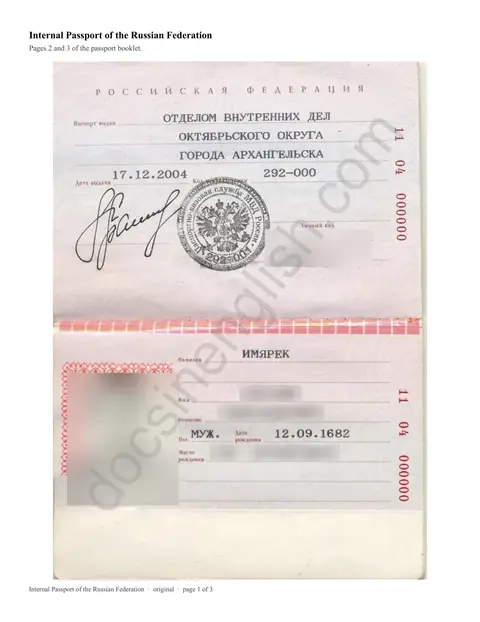 Russian internal passportOpen, 3 pages
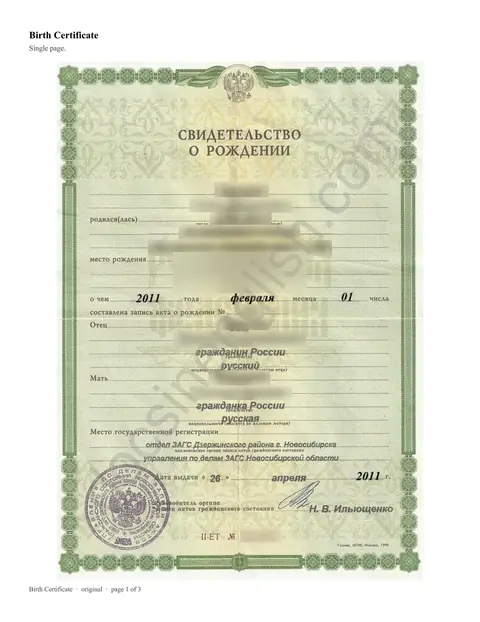 Russian birth certificateOpen, 3 pages
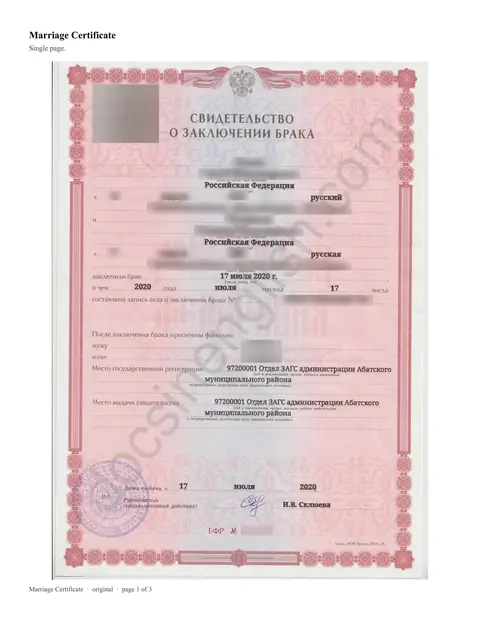 Russian marriage certificateOpen, 3 pages
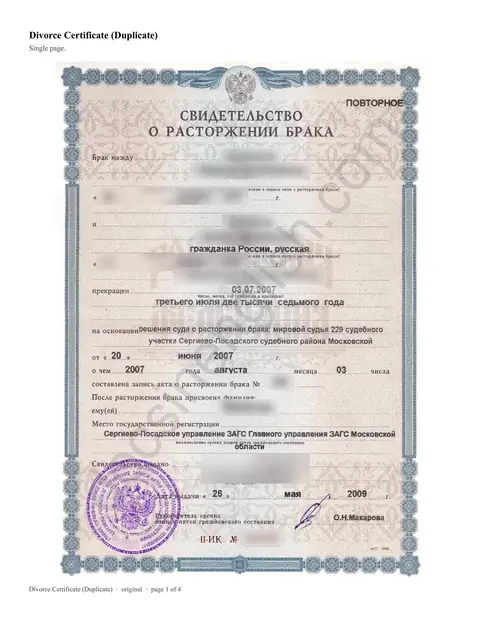 Russian divorce certificate (duplicate)Open, 3 pages
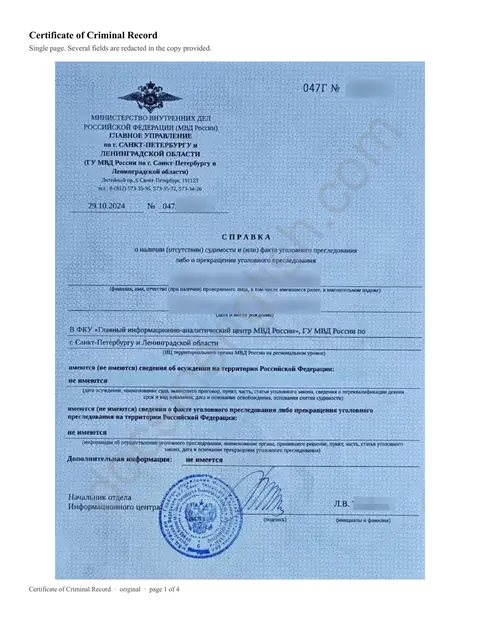 Russian police clearance certificateOpen, 3 pages
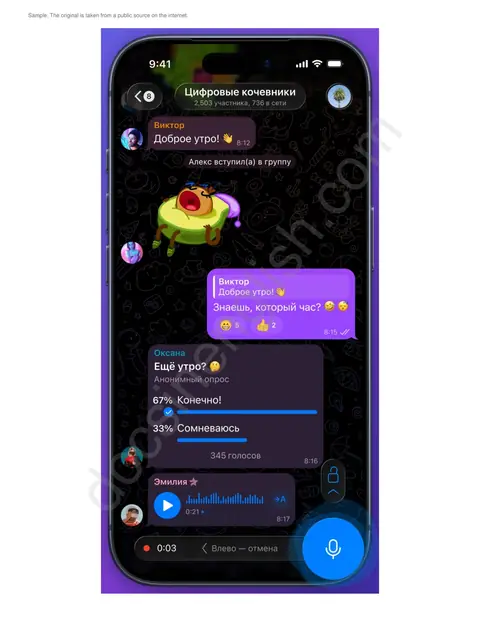 Telegram chats (Russian)Open, 4 pages
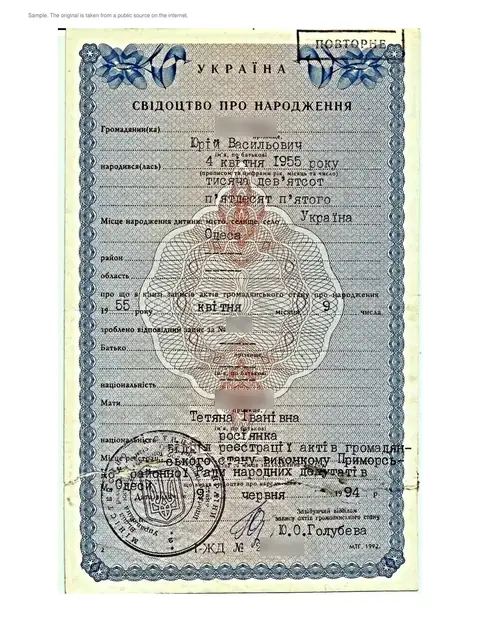 Ukrainian birth certificateOpen, 3 pages
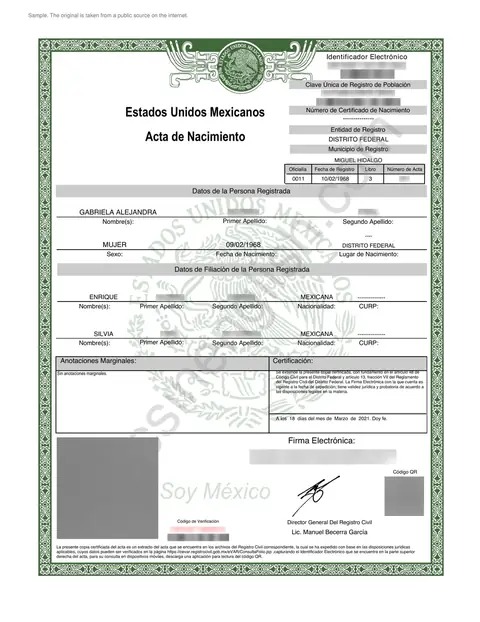 Mexican birth certificateOpen, 3 pages
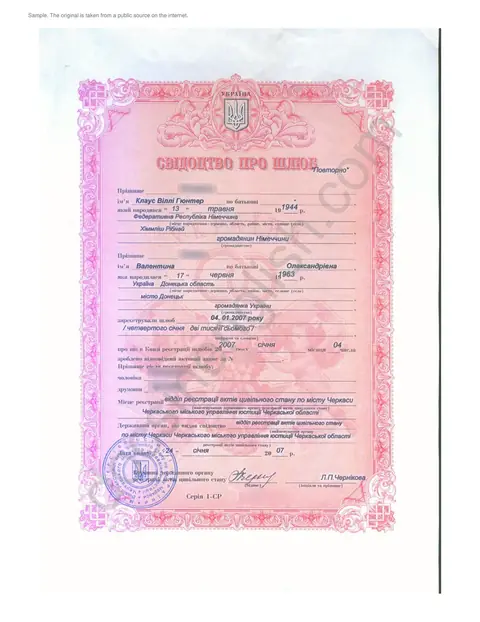 Ukrainian marriage certificateOpen, 3 pages
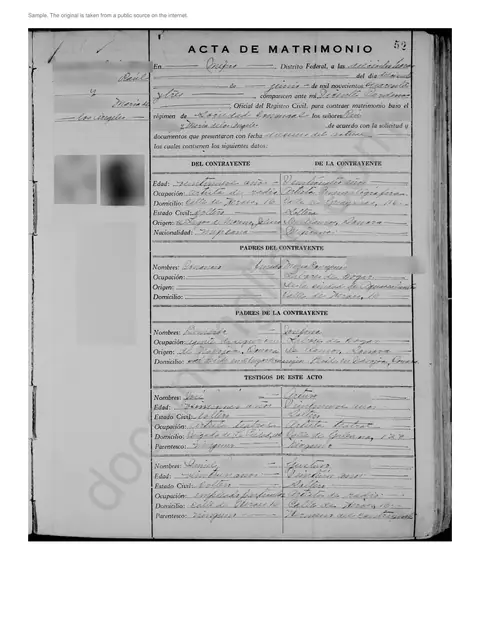 Mexican marriage record (1943, handwritten)Open, 4 pages
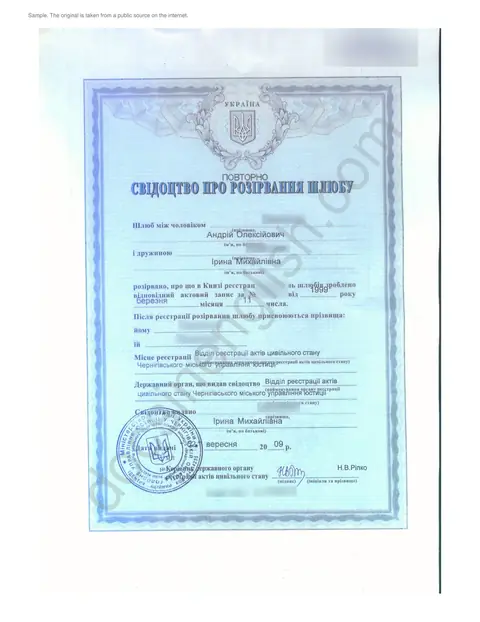 Ukrainian divorce certificateOpen, 3 pages
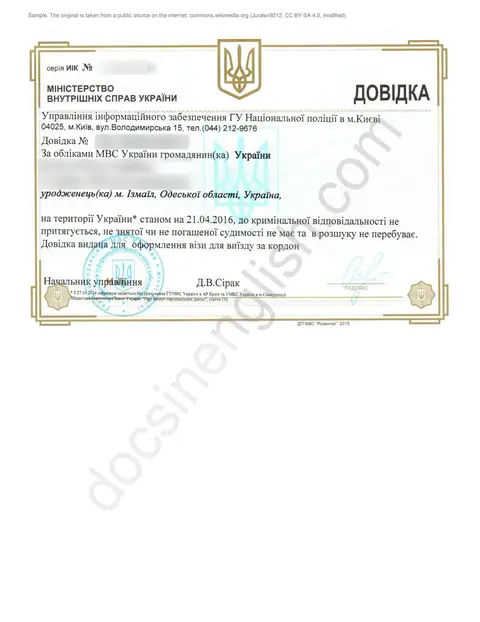 Ukrainian police clearance certificateOpen, 3 pages
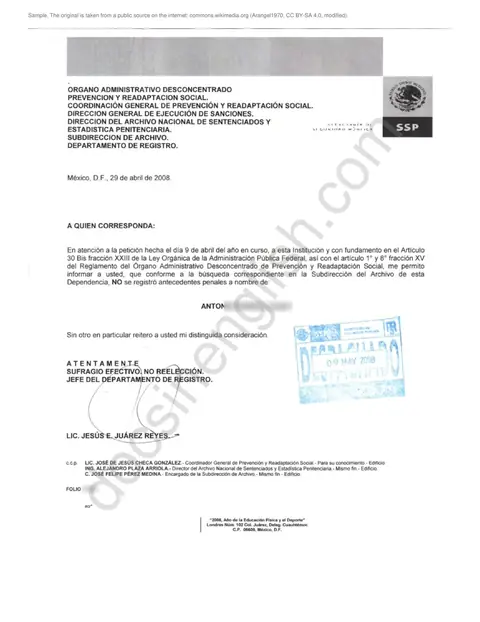 Mexican certificate of no criminal recordOpen, 3 pages
 Telegram chats (Ukrainian)Open, 4 pages
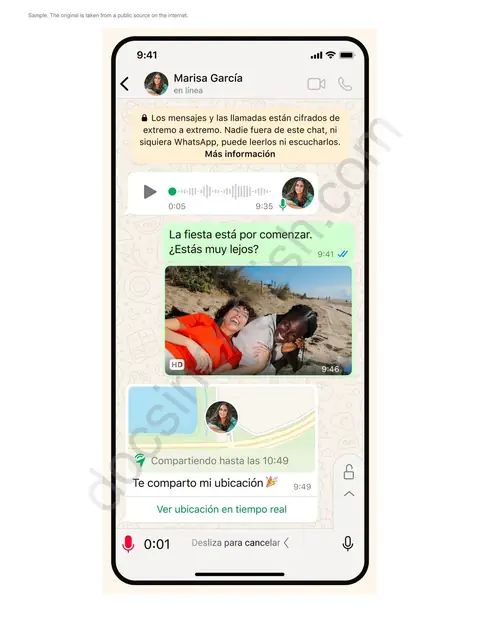 WhatsApp chats (Spanish)Open, 4 pages
How we do it
- Full translation
every stamp, signature and handwritten line
- Signed certificate
with the translator’s name, address and phone
- A PDF, ready to file
original, translation and certificate, translation pages numbered
- Price
$25 for the first page up to 250 words, $20 for each additional page, in the same document or another one.
- Turnaround
1–4 documents: within 24 hours after payment; faster, within 12 hours (+$15 a page) or 3 hours (+$30 a page, paid between 8 am and 6 pm Pacific time). For 5 or more, we give you the date with the quote.
This is a summary of what the agency publishes, not legal advice.